Julie McFadden is a hospice nurse who has witnessed a number of deaths throughout her life. Very often, she speaks of the reality of dying in an attempt to help people understand the process of leaving this world through the behaviors seen in those nearing death.
It is her mission to “alleviate the fear and stigma around death.”
She has dedicated her career to helping individuals and families navigate the final stages of life. Alongside her professional work, Julie has authored a book and built a significant social media presence. She’s focusing on themes of death and dying.
In the videos she posts on the social media, she shares insights of the last moments of life of her patients – from their last words and their biggest regrets, to certain behaviors they display.
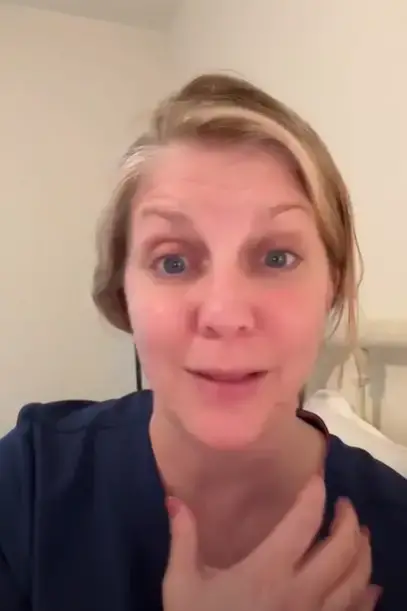
Speaking of some of the most disturbing moments the loved ones of the dying person experience are the changes in breathing at the person who is about to live the world.
This is known as Cheyne–Stokes breathing, happening as a result of metabolic changes in the body.
These changes are normal, and even if they take place, it doesn’t necessarily mean that the patient is suffering. However, their loved ones understand it as a suffering and most of them say it’s something they “wished they would have known about.”
“You can see that chest rapidly breathing, and then a long pause […] and then rapid breathing again,” she explained.
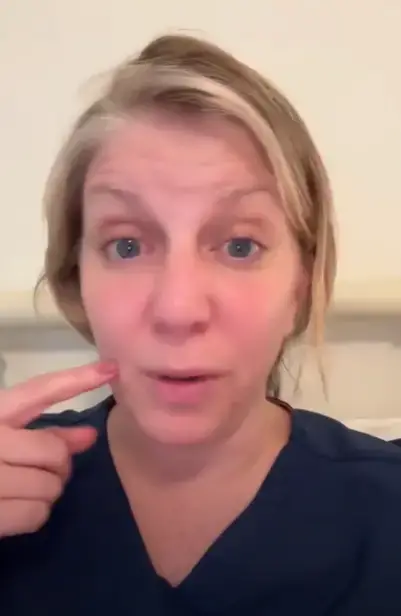
Another of the behaviors seen in those nearing death, as explained by Julie is the “death rattle.”
This happens when the mouth creates saliva but the brain doesn’t communicate to the body to teel it to swallow it, leading to a strange gurgling noise.
https://www.tiktok.com/embed/v2/7121195624074169643?lang=en-US&referrer=https%3A%2F%2Fboreddaddy.com%2Fend-of-life-nurse-shares-the-most-disturbing-behaviors-seen-in-those-nearing-death%2F%3Ffbclid%3DIwY2xjawJUDS9leHRuA2FlbQIxMAABHTxAst6xQwBdc5uYNoGU-r-hVx-bSLy3edwenBm_fjoBMF4KMTrA91EJ7g_aem_DTDAXcJmf4p4VxoUDyEJIwWatch on TikTok
“People hear it, they don’t understand it, they automatically assume it’s coming from their lungs. That is not happening. It’s truly just a little bit of saliva,” Julie explained.
“This is not making them feel that they are suffocating, and we know this because the body is showing that it is relaxed,” she added.
According to her, human bodies are built to know how to prepare themselves for dying.
Please SHARE this article with your family and friends on Facebook