The morning air in the small Midwestern town carried a quiet tension that seemed to linger like fog over the streets leading to the courthouse.
The Woodbridge County Courthouse, a modest brick building that had seen decades of trials, was unusually crowded that day.
Word had spread quickly about Ryan Cooper, a seventeen-year-old facing sentencing after a series of serious infractions that had shocked the local community.
Among the attendees were neighbors who had watched Ryan grow up, local business owners affected by his misdeeds, community leaders, and a handful of the victims who had endured the consequences of his actions.
Each person arrived carrying their own apprehensions and unresolved feelings, yet there was a shared, almost palpable sense of anticipation about the outcome of the day.
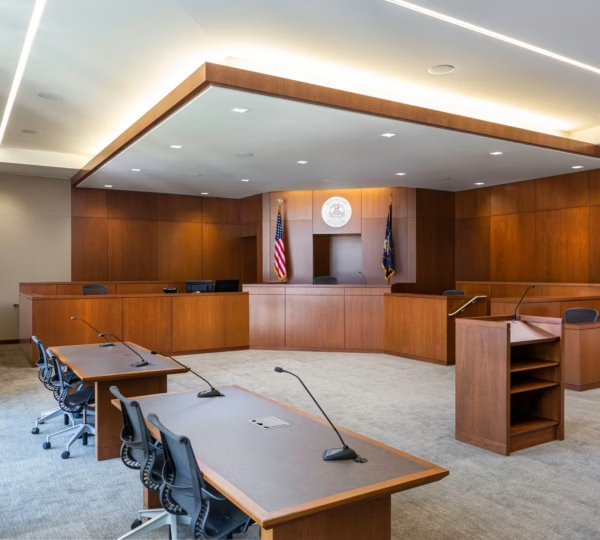
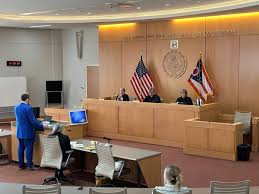
Inside, the courtroom smelled faintly of polished wood, old paper, and the lingering trace of coffee from the late morning rush.
The light streaming through the tall, narrow windows cast long shadows on the walls, creating a somber atmosphere that seemed to underscore the gravity of the moment.
Rows of polished benches creaked as latecomers adjusted themselves, and the murmur of whispered conversations gradually gave way to complete silence as Judge Whitmore entered.
His presence commanded immediate attention; a man in his mid-sixties with graying hair and a measured, deliberate voice, he had presided over countless cases but rarely did a situation weigh so heavily on him from the very outset.
Ryan Cooper stepped into the room with a deliberate gait, his hands buried deep in the pockets of his dark hoodie.
He carried himself with the nonchalance of a teenager who had not yet fully grasped the consequences of his behavior, and yet there was an edge to his posture, a defiance that made those present instinctively tense.
His chin was lifted slightly, his gaze scanning the room with an almost calculated indifference, as if he were daring anyone to challenge him.
Behind him, his attorney, a young public defender with a reputation for patient guidance, exchanged a subtle glance with the courtroom clerk, understanding the difficult road ahead.
The spectators could not ignore the presence of Ryan’s family, most notably his mother, Karen Cooper, seated quietly in the gallery.
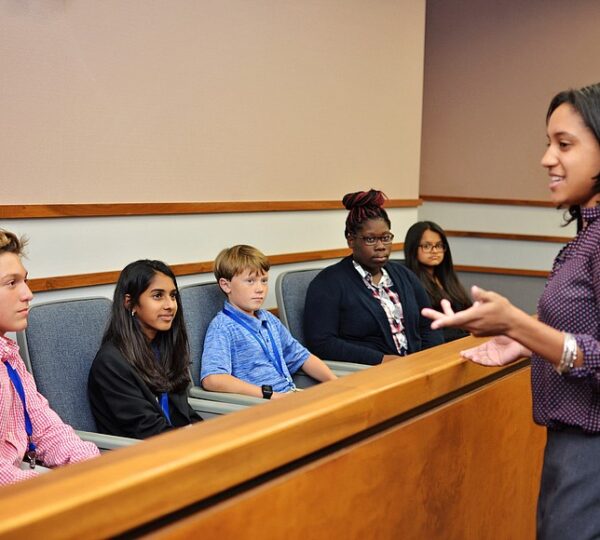
She was in her early forties, with weary eyes that betrayed countless sleepless nights spent worrying about her son. The lines of stress around her mouth and the faint tremor in her hands hinted at the deep emotional toll of the past year.
Karen had carried a complex mixture of hope, guilt, and fear—hope that Ryan could find his path despite past mistakes, guilt for having perhaps shielded him from earlier consequences, and fear for what today might bring.
When Judge Whitmore called on Ryan to speak, a hush settled over the courtroom. All eyes were on him. The young man stepped forward to the microphone, the weight of expectation pressing down on his shoulders, yet he retained an air of casual defiance.
The judge’s eyes were steady, expecting perhaps some acknowledgment of wrongdoing or a word of remorse. Instead, Ryan spoke with a lightness that belied the severity of the moment.
His voice carried a casual dismissiveness, a tone that suggested he did not fully grasp—or did not want to acknowledge—the impact of his actions.
The courtroom reacted almost immediately. Gasps and murmurs rippled through the gallery. Even his own attorney shifted uneasily, aware that Ryan’s words could influence the perception of him not only by the judge but by the community and victims in attendance.
There was a palpable tension in the air, a collective intake of breath as everyone wrestled with the apparent incongruity between Ryan’s demeanor and the seriousness of the proceedings.
It was then that Karen Cooper rose, slowly, almost imperceptibly at first, from her seat in the gallery. The room seemed to lean forward as she took her place in front of the seated spectators.
Her face was a canvas of emotion: grief, frustration, and unwavering determination blended together in an expression that commanded attention.
She had spent months preparing herself for this moment, reflecting on the delicate balance between love for her son and the necessity of allowing him to face the consequences of his actions.
Karen spoke softly at first, her voice quivering but firm, “Your Honor… I know my son’s behavior has caused pain—not just to me, but to so many people around us.
And I have tried, in my own way, to guide him, to shield him, to protect him from the harshness of the world. But today, I realize that protecting him from consequences is not the same as helping him grow.
He needs this… he needs to face this, for his own sake.”
The courtroom was silent. Even the murmurs that had accompanied Ryan’s earlier words had ceased. Karen’s eyes glistened with tears, and she paused, letting the gravity of her words settle into the room. Then she continued, this time with a quiet intensity that demanded attention:
“I love my son more than anything in this world. But love is not enough. Love cannot give him understanding, it cannot give him responsibility.
He must learn that his actions have impact—on others, on himself, on our community. And for him to truly grow, he must face those consequences.”
Her words struck a chord not just with the judge, but with everyone present. There was an undeniable sincerity, an unvarnished honesty that cut through the tension and reached to the heart of the courtroom.
Judge Whitmore, who had seen countless cases of youthful misjudgment, felt the weight of the moment. He nodded slowly, acknowledging both the challenge of Ryan’s behavior and the courage required for a parent to speak so openly in such a public forum.
The sentence he delivered was deliberate, carefully balancing accountability with an opportunity for transformation.
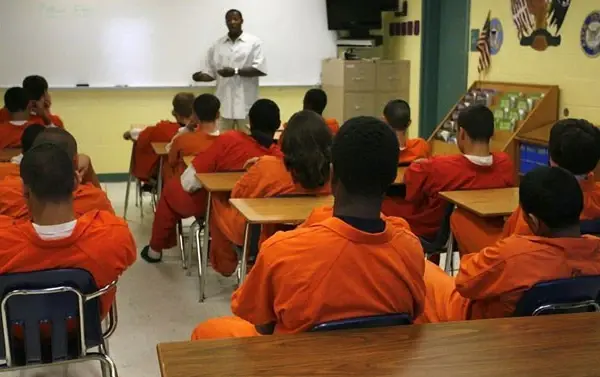
Ryan would be placed in a year-long youth development program designed not merely to punish, but to rehabilitate.
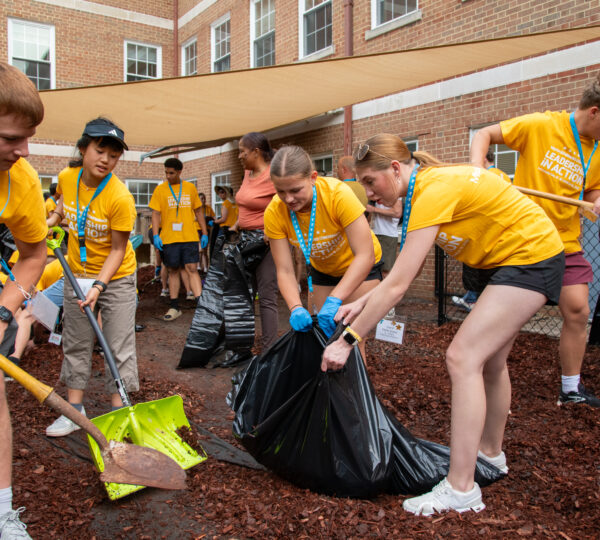
The program would include mandatory counseling sessions, structured educational support, and community service.
Judge Whitmore emphasized that the goal was not to mete out suffering, but to provide an environment where Ryan could reflect on his choices, understand the impact of his actions, and begin the long process of personal growth.
As Ryan listened, the defiance in his posture slowly shifted. He did not speak, but there was a subtle change in his expression—an acknowledgment, however tentative, of the seriousness of what lay ahead.
The program would challenge him in ways he had never experienced, pushing him to confront not just the legal consequences of his actions, but the moral and social responsibilities that had thus far eluded him.
After the hearing concluded, Ryan was led from the courtroom, flanked by officers who would transport him to the youth development facility.
Karen rose once again, this time moving toward the exit. She placed a firm yet gentle hand on her son’s shoulder. Leaning close, she whispered: “I love you, but it’s time to take responsibility. I believe in you, and I know you can grow from this.”
In that quiet exchange, the essence of accountability was distilled—not as a punishment imposed by authority, but as a commitment to oneself and to the people who care most.
It was a moment that carried the potential for transformation, where a young man could begin to understand the link between choice and consequence, and a mother could reconcile the tension between protection and guidance.
Outside the courthouse, the community continued to process the day’s events. Some parents spoke quietly to their children about the importance of responsibility.
Neighbors reflected on the challenges faced by families in their midst. Victims acknowledged the sentence with a mixture of relief and cautious hope, recognizing that the outcome balanced justice with the possibility of rehabilitation.
Over the next weeks and months, Ryan’s journey within the youth development program became a focus of personal reflection.
He engaged in counseling sessions that encouraged honest self-assessment, participated in educational modules that highlighted decision-making and ethics, and contributed to community service projects designed to instill a sense of connection and responsibility.
Through these experiences, Ryan began to develop a clearer understanding of how his actions affected others and the importance of making deliberate, thoughtful choices.
Karen, meanwhile, continued to support him, now not by shielding him, but by encouraging reflection and growth. She attended meetings with program counselors, engaged in open conversations about challenges and setbacks, and reinforced the values that she hoped would guide him into adulthood.
Her love remained a constant, but it had been transformed from protective instinct into a steady support system for real accountability.
By the end of the year, Ryan had begun to show signs of meaningful change. He took on responsibilities in ways that had previously been foreign to him, from mentoring younger peers in the program to completing service projects with diligence and care.
Though the path was far from smooth, the courtroom moment—and his mother’s courageous intervention—had set the foundation for a young man’s potential transformation, demonstrating that accountability, when paired with guidance and opportunity, could lead to growth rather than simply punishment.
Conclusion
The story of Ryan Cooper is not merely a courtroom drama. It is a story of familial courage, personal responsibility, and the power of structured rehabilitation.
It reminds us that mistakes, even serious ones, do not have to define a person’s future, provided there is guidance, accountability, and the opportunity to learn.
Karen Cooper’s willingness to stand publicly, confront both her son and the court, and articulate a vision of justice that emphasizes growth over mere punishment, demonstrates a profound truth: the path to responsibility often begins with love, honesty, and courage.
In the quiet moments after the trial, when community members left the courthouse with mixed emotions, one sentiment was clear: accountability is not simply a legal obligation.
It is a journey that encompasses personal reflection, social awareness, and the unyielding support of those who believe in the potential for change. For Ryan Cooper, that journey had officially begun.