What began as a routine patrol ended in irreversible loss. In the vast, unforgiving stretch of desert near Palmyra, the sun cast long shadows over an arid landscape that has seen decades of conflict.
The horizon, a pale line of sand and heat mirages, seemed eternal and still, yet the silence was abruptly shattered by the crack of gunfire.
Two American service members, whose faces and names had been known only to a handful of family and colleagues until that day, were killed in a sudden, violent attack.
The responsibility for this assault was quickly attributed to the Islamic State, an organization that thrives in chaos and aims to sow terror far beyond its immediate battlefield.
It was swift, intentional, and merciless—a grim reminder that wars do not end with a formal declaration; they linger, quiet yet deadly, in spaces where the world expects safety.
For those watching from home, the distance felt both absolute and impossible. In Iowa, a place of orderly fields and calm streets, the repercussions arrived with the weight of inevitability yet the speed of shock. Messages sent in the morning went unanswered.

Phones were checked repeatedly, a ritual that became increasingly desperate with each passing hour. Homes, once familiar and comforting, seemed to shift in their meaning; the normalcy of everyday life—kitchen tables set for dinner, empty shoes by the door, laundry folding in routine patterns—suddenly became landscapes of absence.
In an instant, the desert and the quiet Midwest were pulled together by an invisible thread of tragedy. The men who were lost had lived lives of steady, unassuming dedication. One had coached local youth sports teams, guiding teenagers not just in the fundamentals of the game, but in lessons of discipline, patience, and resilience.
Another had balanced long hours at work with family responsibilities, quietly carrying burdens that rarely made it into conversation. They were the sort of individuals whose impact is measured not in headlines, but in the daily acts of reliability, kindness, and service.
Their communities knew them as anchors, people who could be counted on to show up, to contribute, to care. They were trusted to return from a routine assignment unharmed—a belief that, for years, had been reinforced by experience, protocol, and reassurance from the institutions they served.
That belief, as families would soon painfully learn, did not survive the call that would change everything. When news arrived, it came in forms both official and stark: terse phone calls from military personnel, letters detailing circumstances, statements couched in the language of strategy, deterrence, and operational necessity.
Those words, meant to clarify and justify, carry little weight within the walls of a grieving home. Inside, the arithmetic of loss is simpler, yet heavier: love for the lives that are now absent, pride in their courage, and a quiet, simmering anger at the distant decisions that led to their deaths.
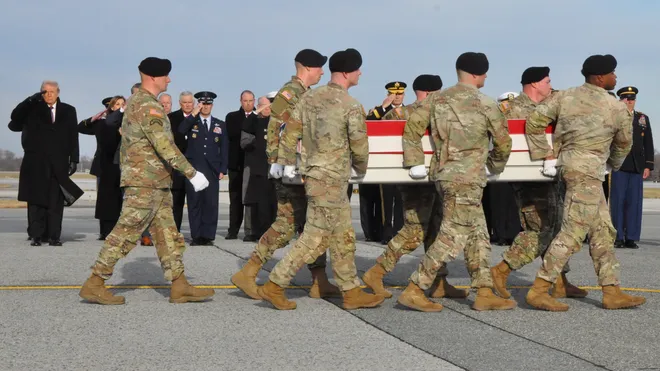
Questions multiply endlessly, without neat answers: Why did this patrol face such risk? Could anything have been done differently? How is it possible for ordinary men to vanish in extraordinary circumstances? For families and neighbors, grief is both intimate and disorienting, turning every ordinary sound—a car door closing, a familiar ringtone, a quiet evening—into a marker of absence.
In the weeks that follow, the impact ripples outward in subtle, yet profound ways. Local schools remember the coaches and volunteers, holding silent acknowledgments in their absence. Workplaces rearrange responsibilities, trying to fill the void left by dependable colleagues.
Every conversation about the lost service members becomes a careful balance of remembrance and restraint, an effort to honor lives without sensationalizing the tragedy. Friends and relatives navigate the difficult task of sharing memories, often discovering that speaking aloud of their loved ones’ bravery brings both comfort and unbearable pain.
The duality of grief—memory as solace and memory as sorrow—defines this new reality. Yet, even as the nation debates policy, strategy, and military presence in foreign deserts, the truth remains stark and personal. Wars do not simply conclude on a timetable set by governments or headlines.
They persist quietly in kitchens, in backyards, in bedrooms where a parent’s laughter is suddenly missing. They endure in driveways that no longer witness a familiar figure returning from duty, and in phones that will never again ring with the voice of a son, a brother, a friend.
The abstract language of defense and geopolitics cannot encapsulate the weight of absence. In places like Iowa, the cost of global conflict is measured in intimate increments: the empty chair at the dinner table, the unfilled roles at work and community events, the silent pauses in conversations once filled with shared laughter.
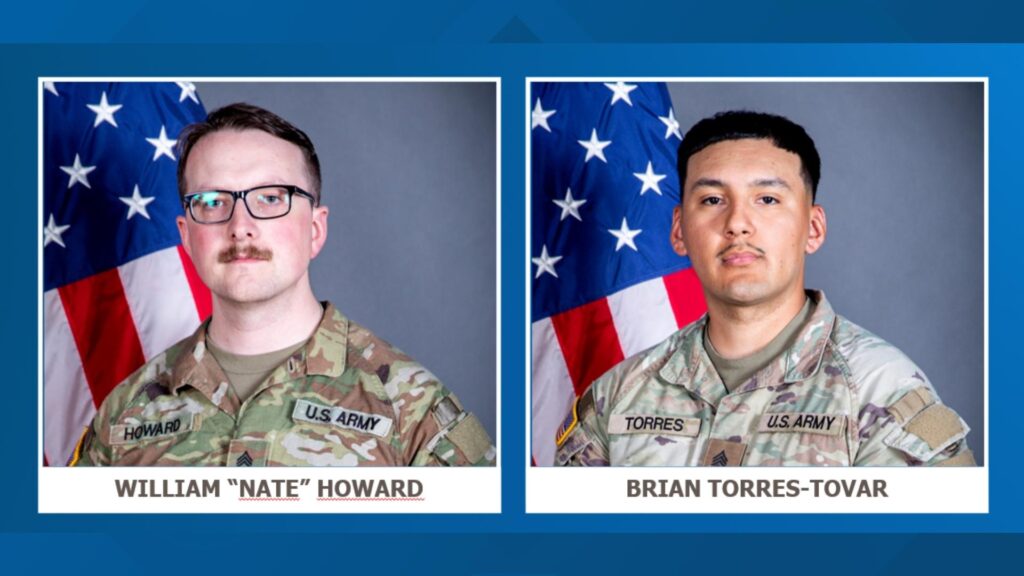
Even more, these losses force a reckoning with the realities of service itself. Every decision made by a commanding officer, every deployment ordered by distant authorities, carries consequences that resonate far beyond the battlefield.
Families absorb these consequences in quiet, personal ways, often years after the decisions were executed. The men who died near Palmyra were not only casualties of a violent encounter; they were individuals whose absence transformed the contours of entire communities.
Their sacrifices illuminate a truth that statistics and official reports cannot: that every soldier, sailor, or airman carries with them the hopes, routines, and small joys of the lives they temporarily leave behind. And yet, within the grief, there is also a stubborn persistence of life.
Communities rally, neighbors offer support, and strangers—drawn together by shared sorrow—extend hands of comfort. Public ceremonies, flags at half-mast, and memorials offer structure to mourning, but they are only part of the tapestry.
The larger, quieter act of honoring those lost is woven in everyday decisions: continuing a youth program, maintaining the family home, upholding traditions the fallen once cherished. These acts are not celebrated in the news cycle; they exist as living proof that the lives lost continue to influence the living, that absence can coexist with enduring presence.
In the days and weeks following the attack, the landscape of grief expanded beyond the immediate family, touching neighbors, colleagues, and even distant acquaintances who had only known the fallen men in passing. In small Iowa towns, where everyone knows someone’s story, the news of loss traveled swiftly and silently.